How to Choose a Reliable LED Street Light Supplier
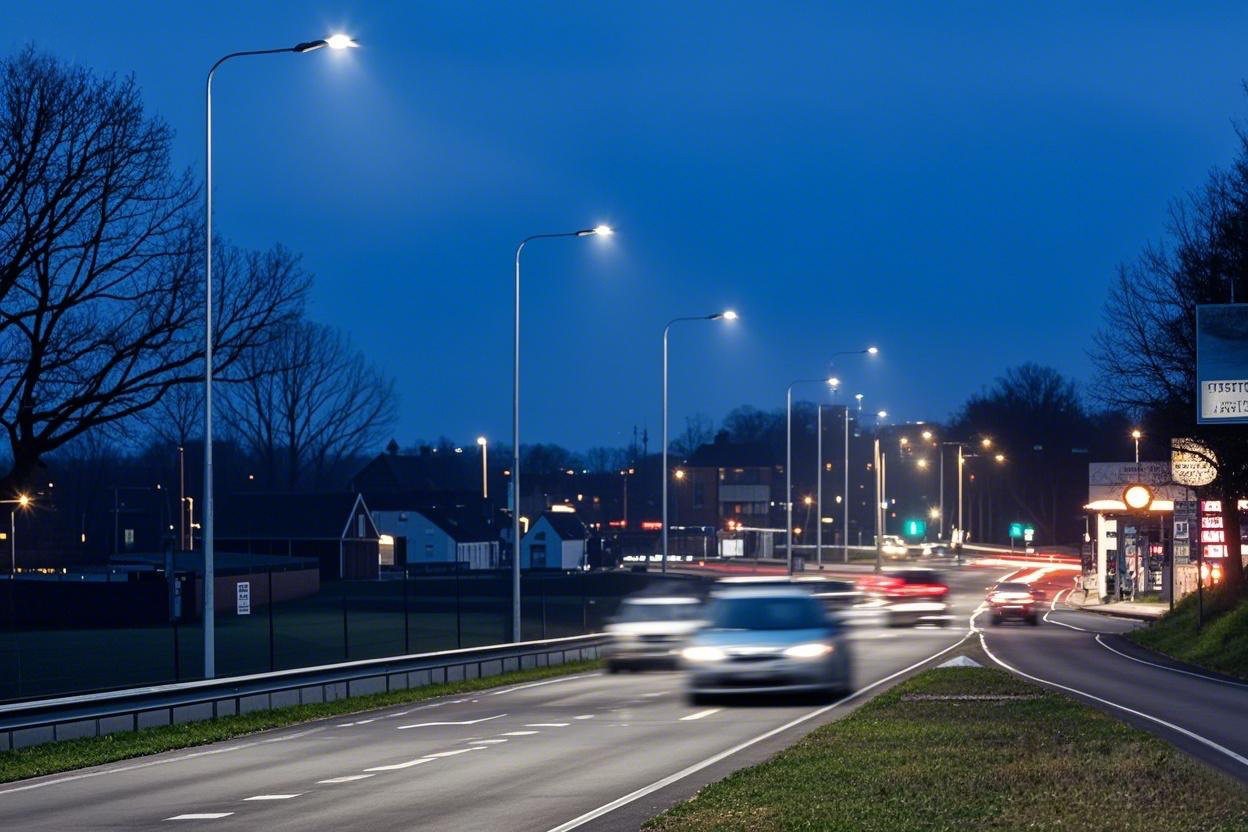
In modern urban infrastructure and public lighting projects, LED street lights have become the preferred solution due to their high energy efficiency, long lifespan, and lower maintenance costs. Whether for municipal roads, highways, industrial parks, residential areas, or rural development projects, the quality of LED street lighting systems directly affects safety, operating costs, and long-term project reliability.
However, choosing the right LED street light supplier can be challenging. The global lighting market is full of manufacturers, trading companies, and suppliers offering similar-looking products but with very different quality standards. From a buyer’s perspective—especially for distributors, contractors, and government project managers—the key question becomes: How can you identify a truly reliable LED street light supplier?
This article explores the most important factors to consider when selecting a supplier for your LED street lighting projects.
1. Manufacturing Capability and Production Experience
One of the first indicators of a reliable LED street light supplier is manufacturing capability and industry experience.
Suppliers with their own factories generally offer better control over product quality, production schedules, and technical improvements. Companies with many years of experience in LED lighting manufacturing understand the technical challenges of outdoor lighting, including thermal management, waterproof protection, surge protection, and optical design.
A professional LED street light manufacturer should have:
-
In-house die-casting or aluminum housing production
-
LED assembly and driver integration capability
-
Aging test lines for product reliability
-
Quality control systems for each production stage
Suppliers with 10+ years of production experience typically have more stable manufacturing processes and better product consistency.
2. Product Certifications and Compliance
Outdoor lighting projects often require compliance with international standards. Reliable suppliers should provide recognized certifications that demonstrate product safety and performance.
Common certifications include:
-
CE Certification – Compliance with European safety standards
-
RoHS Certification – Restriction of hazardous substances
-
ISO Quality Management Systems – Manufacturing process control
-
LM-79 / LM-80 Reports – Photometric performance and LED lifespan verification
These certifications ensure that the LED street lights meet international requirements and can be used in government or commercial infrastructure projects.
For buyers involved in public tenders or engineering projects, certified products are essential.
3. Real Luminous Efficiency and Performance Data
Many suppliers claim high brightness and high efficiency, but real performance data is what truly matters.
Reliable manufacturers should be able to provide:
-
Luminous efficacy data (lm/W)
-
IES photometric files for lighting design software
-
Light distribution types (Type II, Type III, Type V)
-
Actual wattage and power consumption information
For example, a high-quality LED street light typically achieves 130–180 lumens per watt, depending on the LED chip and driver configuration.
Accurate photometric data is crucial for lighting engineers when designing road lighting systems that comply with local illumination standards.
4. Structural Design and Heat Dissipation
LED street lights operate outdoors for many years, often in extreme weather conditions. Poor thermal design can cause LED degradation, color shift, and premature failure.
A reliable supplier should offer street lights with:
-
High-pressure die-cast aluminum housing
-
Optimized heat dissipation fins
-
Thermal conductive materials
-
Independent driver compartments
Efficient heat dissipation extends the lifespan of LED chips and drivers, ensuring stable operation for 50,000 hours or more.
5. Waterproof and Environmental Protection
Outdoor lighting fixtures must withstand rain, dust, humidity, and temperature fluctuations.
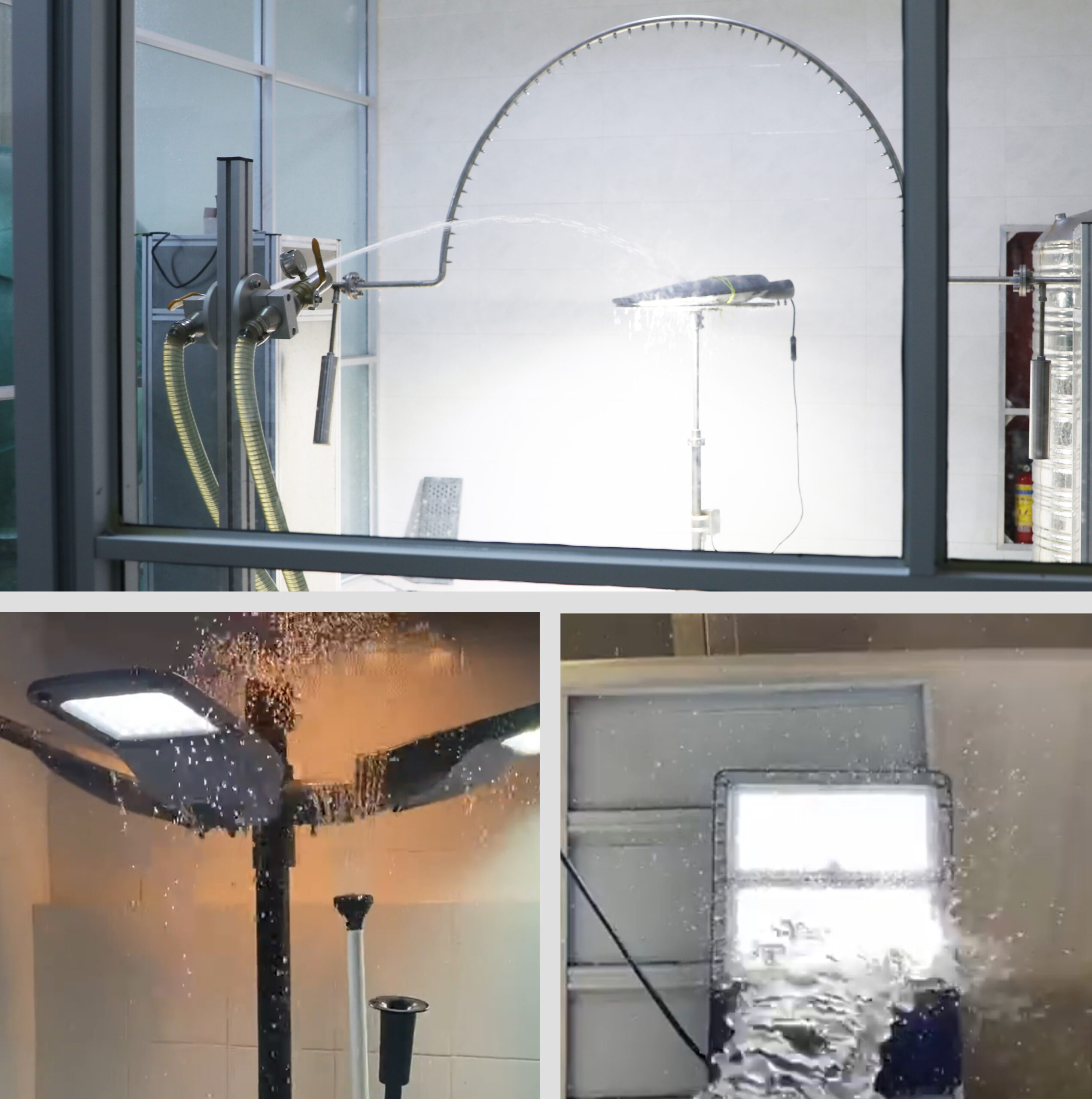
A dependable LED street light supplier should provide products with IP65 or IP66 waterproof ratings, tested according to international standards.
However, real waterproof performance depends not only on the rating but also on the structural sealing design, including:
-
Silicone sealing gaskets
-
Waterproof cable glands
-
Breathing valves for pressure balance
-
Sealed optical chambers
These features help prevent water ingress and ensure long-term reliability in outdoor environments.
6. Surge Protection and Electrical Safety
Street lights are often exposed to lightning and unstable power conditions. Without adequate surge protection, electrical components may fail quickly.
Professional LED street light suppliers usually integrate surge protection devices (SPD) rated between 6kV and 10kV, which helps protect drivers and LED modules from voltage spikes.
For municipal infrastructure projects, surge protection is a critical safety feature.
7. Customization and OEM/ODM Capability
For distributors and brand owners, customization is often an important requirement.
Reliable LED street light manufacturers typically offer OEM and ODM services, including:
-
Custom product branding and logos
-
Packaging design
-
Customized power options
-
Specific beam angles for different road types
-
Smart lighting integration (dimming, sensors, IoT systems)
Flexible customization allows distributors to develop their own product lines and differentiate themselves in the local market.
8. Project Experience and Engineering Support
Suppliers with engineering project experience are often more reliable partners.
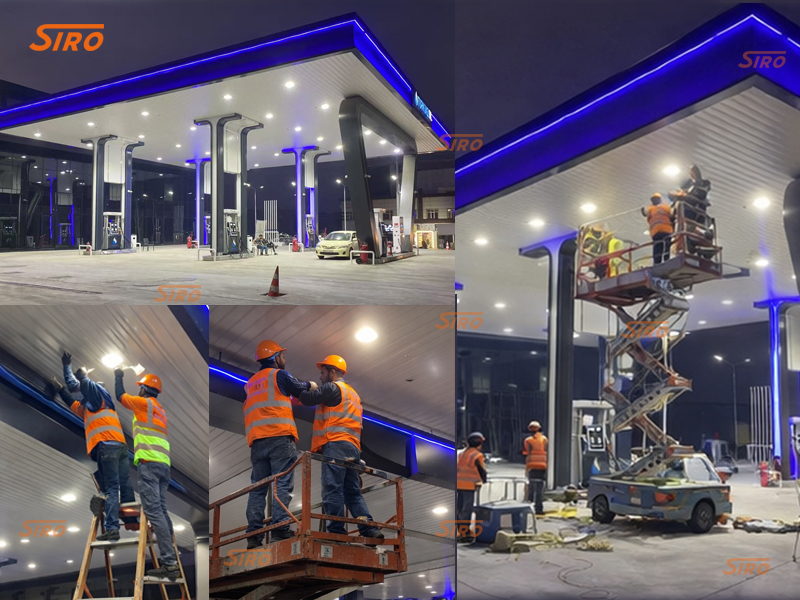
They understand the technical requirements of municipal lighting projects and can assist with:
-
Lighting simulation and design support
-
Installation guidance
-
Product selection based on road type
-
Energy-saving analysis
This level of support is particularly valuable for contractors working on government infrastructure projects.
9. Quality Control and Testing Procedures
A trustworthy LED street light supplier should implement strict quality control procedures throughout the manufacturing process.
Typical testing procedures include:
-
Incoming material inspection
-
LED module testing
-
Driver performance verification
-
Aging tests (usually 3–5 hours minimum)
-
Waterproof testing
-
Final lighting performance inspection
Some manufacturers also provide production photos and testing videos, giving buyers transparency and confidence in the production process.
10. Logistics, Packaging, and Delivery Reliability
Finally, reliable suppliers must be able to ensure safe delivery and predictable lead times.
Professional manufacturers usually provide:
-
Strong export packaging using multi-layer cartons
-
Protective foam structures to prevent damage during shipping
-
Flexible shipping options (FOB, CIF, DDP)
-
Stable production lead times, typically between 10–20 days depending on order size
Efficient logistics management helps buyers plan their projects and inventory more effectively.
Conclusion
Choosing a reliable LED street light supplier is not just about price—it is about long-term project success. A trustworthy supplier should offer stable product quality, verified performance data, strong manufacturing capabilities, and professional engineering support.
By carefully evaluating factors such as production experience, certifications, product performance, waterproof design, surge protection, customization capability, and quality control systems, buyers can significantly reduce risks and ensure the success of their lighting projects.
In the rapidly evolving global lighting market, partnering with a reliable manufacturer is one of the most important decisions for distributors, contractors, and municipal project managers. A strong supplier relationship ensures not only high-quality products but also long-term cooperation and sustainable growth.