How to Choose the Right LED Street Lights for Road and Infrastructure Projects
Choosing the right LED street lights for road and infrastructure projects is not simply about selecting a wattage or a price point. For project owners, municipalities, contractors, and engineers, street lighting is a long-term infrastructure investment that directly affects road safety, operational costs, maintenance efficiency, and public satisfaction. Making the wrong choice can lead to uneven illumination, frequent failures, high energy consumption, or costly replacements.
This guide outlines the key factors professionals should consider when selecting LED street lights for modern infrastructure projects.
1. Define the Road Type and Lighting Requirements
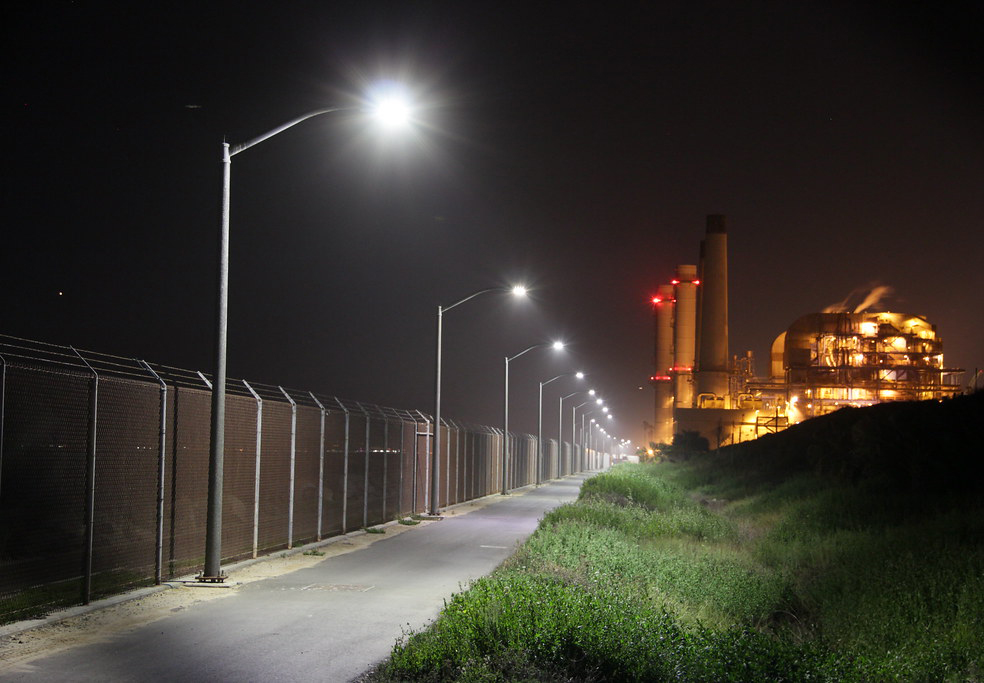
Every road has different functional requirements. Urban roads, highways, industrial roads, residential streets, and rural roads all require different lighting levels and beam distributions.
Before selecting a luminaire, decision-makers should clarify:
Road width and pole height
Traffic volume and vehicle speed
Pedestrian presence
Required illuminance and uniformity levels
Professional LED street lights should support IES or DIALux lighting simulations to ensure compliance with international standards such as EN 13201 or local road lighting regulations. This step helps avoid over-lighting or under-lighting, both of which increase costs and safety risks.
2. Focus on Optical Design, Not Just Wattage
A common mistake in street lighting projects is choosing lamps based solely on wattage. What truly matters is optical efficiency and light distribution.
High-quality LED street lights offer:
Road-specific beam angles (Type II, Type III, Type IV, asymmetric optics)
Precise light control to reduce glare and light spill
High uniformity across the road surface
Well-designed optics can achieve better lighting performance with lower power consumption, improving both energy efficiency and visual comfort.
3. Evaluate Luminous Efficacy and Real Performance
While many products advertise high lumen output, project buyers should verify real system efficacy, not just LED chip performance.
Key indicators include:
System luminous efficacy (lm/W)
Stable color temperature and color consistency
Verified photometric test reports (LM-79, IES files)
Reliable manufacturers provide transparent test data and real application results rather than theoretical figures.
4. Consider Durability and Environmental Resistance
Street lights operate continuously in harsh outdoor environments. Long service life depends on mechanical strength and environmental protection, not only LED quality.
Critical factors include:
IP66 or higher waterproof and dustproof rating
Corrosion-resistant die-cast aluminum housing
Efficient thermal management to protect LEDs and drivers
Proper heat dissipation directly affects lumen maintenance and lifetime, especially in high-temperature regions.
5. Driver Quality and Electrical Protection
The LED driver is the heart of the street light system. Poor driver selection is one of the main causes of early failure.
For infrastructure projects, priority should be given to:High-efficiency, long-life drivers Surge protection suitable for outdoor grids Stable current output for consistent lighting A reliable driver reduces maintenance frequency and ensures stable operation over years of service.
6. Maintenance, Installation, and Lifecycle Cost
Initial purchase price is only part of the total investment. Smart buyers evaluate total cost of ownership (TCO).
Important considerations include:
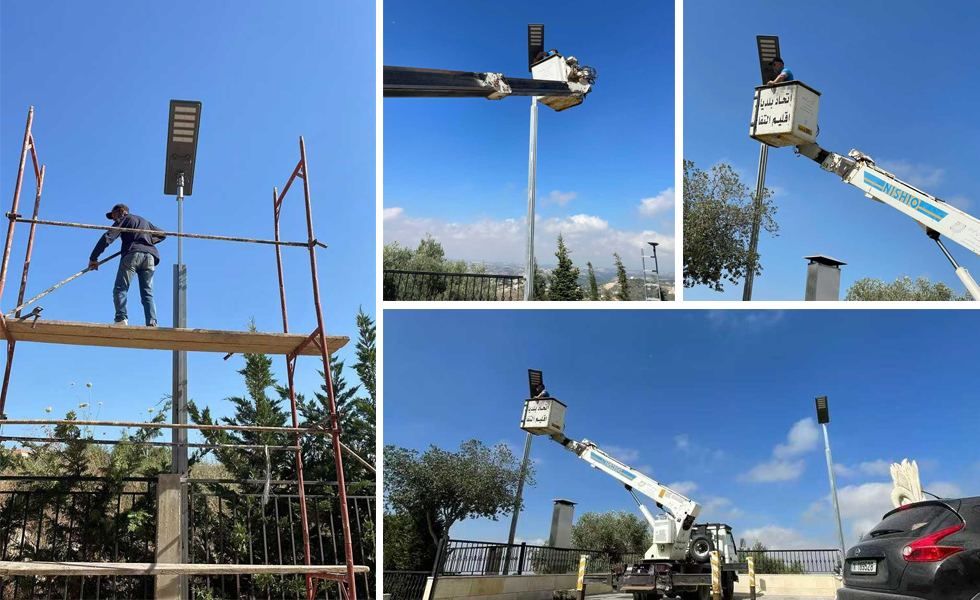
Easy installation and maintenance access
Modular design for quick replacement
Long warranty and after-sales support
Well-designed LED street lights significantly reduce maintenance labor, downtime, and spare-part costs throughout the project lifecycle.
7. Choose a Supplier with Project Experience
For road and infrastructure projects, choosing the right manufacturer is as important as choosing the right product.
An experienced supplier should provide:
Technical consultation and lighting simulations
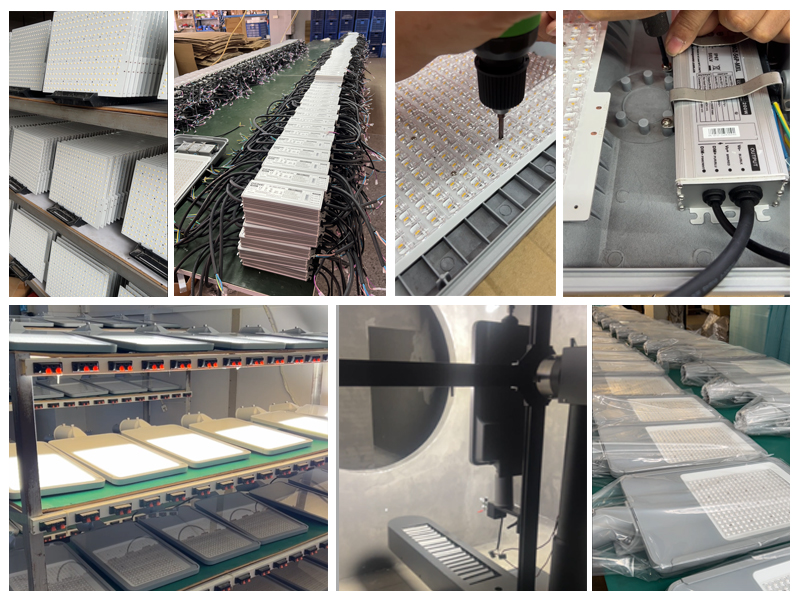
Consistent product quality and batch stability
Documentation support for tenders and approvals
Proven references in similar projects
A professional partner helps reduce technical risks and ensures smooth project execution.
Conclusion
Selecting the right LED street lights is a strategic decision that impacts safety, efficiency, and long-term project performance. By focusing on optical design, verified performance, durability, and lifecycle cost, infrastructure stakeholders can make informed choices that deliver reliable lighting for years to come.
A well-engineered LED street lighting solution is not just a product—it is a foundation for safer, smarter, and more sustainable roads.